Getting Started With Affiliate Marketing: A Beginer's Guide
Getting Started With Affiliate Marketing: A Beginer's Guide
Affiliate marketing is often touted as an easy way to earn passive income online, but for many beginners, it can quickly become a source of frustration.
If you’ve tried your hand at affiliate marketing and found yourself facing repeated setbacks, know that this is a common experience. Many newcomers enter the field with high hopes only to be met with confusion and disappointment.
This guide aims to demystify affiliate marketing, addressing common pitfalls and providing a clear path forward to help you transform past failures into future success.
Understanding Affiliate Marketing
The world of affiliate marketing is a dynamic and growing field that allows individuals to earn money by promoting products and services. With the rise of e-commerce, this practice has gained significant traction, enabling both businesses and affiliates to thrive.
As you examine affiliate marketing, I will help you uncover the fundamentals and practical aspects that can turn your enthusiasm into real income
Definition and Core Concepts
There's a simple definition for affiliate marketing: it’s a performance-based marketing strategy where I promote products or services on behalf of a business and earn a commission for every sale or lead generated through my unique referral link.
The core concepts of affiliate marketing include the affiliate, the merchant, and the customer, all of whom play vital roles in the success of this business model.
How Affiliate Marketing Works
Marketing in affiliate marketing involves a straightforward process where I, as an affiliate, share my referral links on various platforms, guiding potential customers to the merchant's website. When someone clicks on my link and makes a purchase, the merchant tracks this activity and awards me a commission for my efforts.
It’s vital to understand that the effectiveness of affiliate marketing hinges on trust and authenticity. As I select the products or services I wish to promote, I must ensure they align with my brand, resonate with my audience, and provide real value.
Tracking mechanisms, like cookies, help monitor user activity, making it easier for affiliates like me to earn commissions accurately. This relationship creates a win-win situation, as businesses gain exposure while I have the opportunity to monetize my online presence.

Types of Affiliate Marketing
Clearly, there are several types of affiliate marketing that cater to different business models, allowing you to choose the one that best suits your goals. Below are some primary types:
Type
Description
Pay-Per-Click (PPC)
A payment model based on clicks.
Pay-Per-Sale (PPS)
Earn a commission for sales generated.
Pay-Per-Lead (PPL)
Rewards for leads or sign-ups.
Two-Tier
Commissions for second-tier referrals.
Multi-Tier
Commissions for multiple referral levels.
Any of these models can help you get started in affiliate marketing, and you can learn more about How to Start Affiliate Marketing for Beginners (Step by Step).
Pay-Per-Click (PPC) Programs
An effective model, Pay-Per-Click (PPC) programs allow you to earn money each time someone clicks on your affiliate link, regardless of whether or not they make a purchase. This makes it easy to generate income with high traffic, even if conversions are lower.
Pay-Per-Sale (PPS) Programs
Little do many realize, Pay-Per-Sale (PPS) programs offer some of the highest commissions available in the affiliate marketing world. In this model, you earn a percentage of the sale when a customer you referred makes a purchase. It's a great way to maximize your earnings as you focus your marketing efforts on products that align closely with your niche.
A significant advantage of Pay-Per-Sale programs is that they often promote high-value products, which can result in substantial commissions. By building trust with your audience and recommending quality products, you can increase your conversion rates and boost your affiliate income over time.
Pay-Per-Lead (PPL) Programs
On the other hand, Pay-Per-Lead (PPL) programs allow you to earn money for leads generated, such as email sign-ups or form submissions. This model is beneficial for companies looking to build their email lists or engage potential customers.
It’s important to create compelling content and calls-to-action that encourage your audience to take the desired action. PPL programs can be lucrative, especially if you target industries where leads are valuable, like finance or software, yielding a solid return on your promotional efforts.
Step-by-Step Guide to Starting
Despite the complexities that may seem daunting, starting your affiliate marketing journey can be simplified. I recommend checking out this Affiliate Marketing for Beginners: Step-By-Step Guide (2025) for a detailed overview. Below, I’ve broken down the necessary steps in an easy-to-follow format:
Choosing Your Niche
While selecting a niche, I suggest focusing on your interests and expertise. This will not only keep you motivated but also help you connect with your audience authentically.
Selecting Affiliate Programs
Starting with affiliate programs requires careful evaluation. I’ve found that looking for programs that align with your niche can maximize your success. Check for commission rates, support, and reputation.
Step by step, I assess potential affiliate programs by reading reviews and verifying received support. Additionally, I prioritize those that offer resources like marketing materials and real-time statistics, enhancing my promotional efforts.
Creating Content Strategy
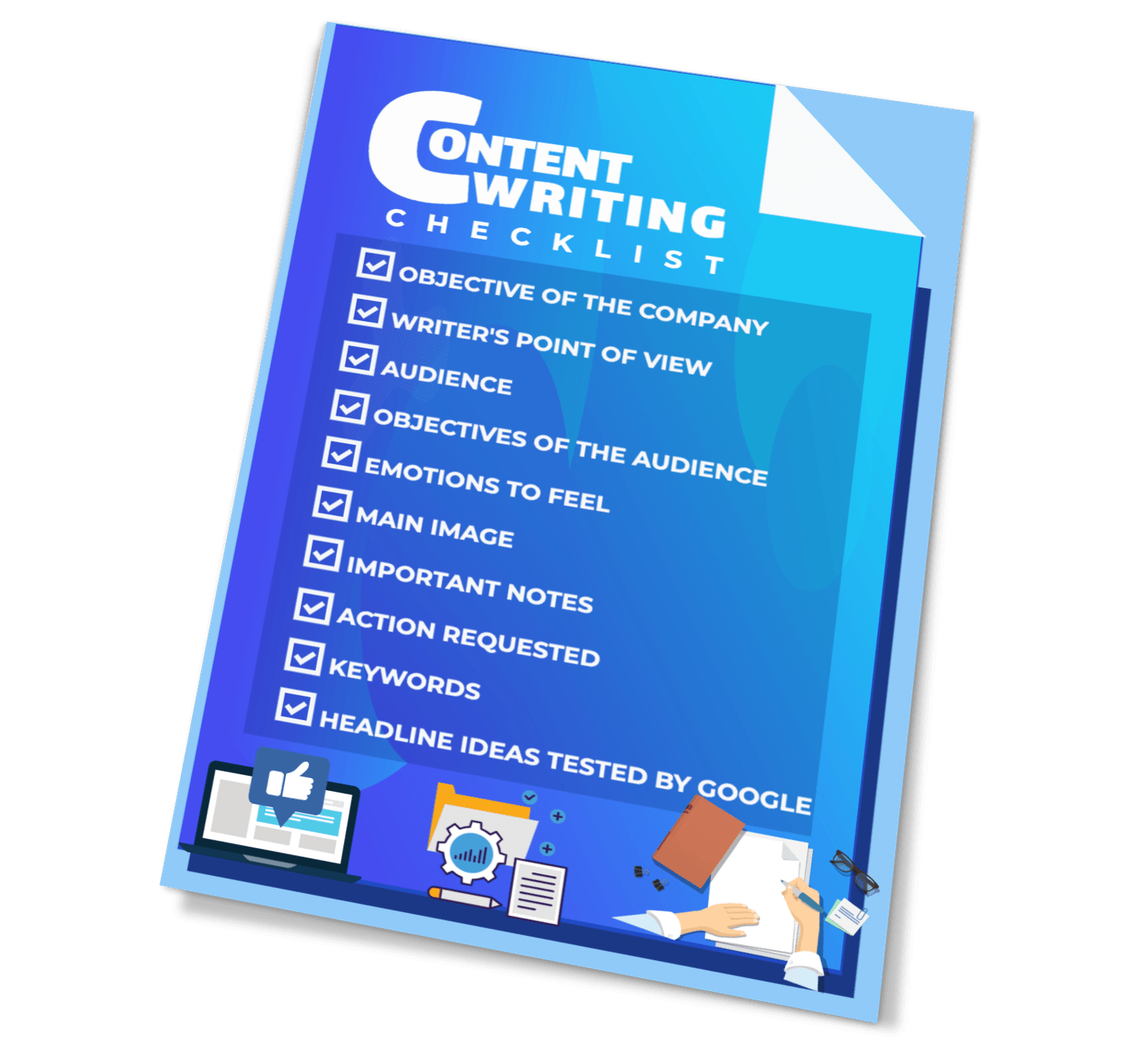
One of the first things I do is outline my content strategy. This involves determining what type of content resonates most with your audience, whether it’s blogs, videos, or social media posts.
It’s imperative to create a structured content plan that balances affiliate promotions with valuable information. I always aim to provide substantial insights while naturally integrating affiliate links, fostering trust and engagement with my audience.
Success Factors in Affiliate Marketing
After exploring into affiliate marketing, I’ve identified several key success factors that can enhance your efforts:
Choosing the right niche
Building a solid online presence
Engaging with your audince
Analyzing your performance
Continuous learning and adaptation
Any aspiring affiliate marketers interested in getting started can benefit from exploring Affiliate Marketing for Beginners: The Basics.
Building Trust and Credibility
To succeed in affiliate marketing, building trust and credibility with your audience is crucial. This involves providing honest product reviews, sharing personal experiences, and openly communicating about affiliate relationships. When your audience trusts your recommendations, they’re more likely to convert.
Traffic Generation Methods
Some effective traffic generation methods include content marketing, social media promotion, and email marketing. By leveraging a mix of these strategies, you can drive more targeted traffic to your affiliate offers.
Trust in the power of quality content and consistent social media engagement to create a steady influx of visitors. As you hone your skills, consider implementing SEO strategies to boost your organic reach. Understanding analytics is also vital to identify what methods work best for your audience
Conversion Optmization
Success in affiliate marketing hinges on optimizing conversions. This can involve A/B testing landing pages, refining call-to-action buttons, and ensuring your website is user-friendly.
The key to effective conversion optimization lies in understanding your audience’s needs and motivations. By analyzing their behavior and preferences, you can tailor your content and offers to encourage action, ultimately leading to increased sales and commissions.
Tips for Effective Affiliate Marketing
Not every strategy will work for every marketer, so it's important to tailor your approach. Here are some tips to enhance your affiliate marketing efforts:
Choose the right niche
Build trust with your audience
Create quality content
Leverage multiple platforms
Utilize email marketing

Assume that focusing on these aspects will help you develop a successful affiliate marketing strategy.
Content Creation Best Practices
Some of the most effective content strategies include engaging storytelling, informative articles, and visually appealing graphics. Aim for a mix of formats, such as blog posts, videos, and social media updates that resonate with your target audience.
Authenticity and value should drive your content, ensuring that your audience finds it useful and relevant.
Pros and Cons in Affiliate Marketing
Once again, weighing the benefits and drawbacks of affiliate marketing is important for anyone considering this path. Below is a breakdown of the pros and cons to help you make an informed decision.
Advantages of Affiliate Marketing
Little effort is needed to start affiliate marketing, making it an appealing option for beginners. You can choose to promote a wide range of products without worrying about warehousing or shipping. The flexibility it offers allows you to work at your own pace and build multiple income streams over time.
Potential Challenges and Limitations
Pros and cons come hand in hand when you're delving into affiliate marketing. While the potential for earnings is there, achieving that income can be tricky, as it often varies based on factors like market fluctuations and your experience in online marketing.
Potential challenges include an inherent uncertainty in income, as earnings depend on sales volume and affiliate program payout structures. I’ve noticed that staying updated with trends is necessary, yet can be time-consuming. Additionally, building trust with your audience is vital, as any misstep can affect your reputation and, consequently, your revenue. Competition is fierce, which means ongoing effort is needed to distinguish your efforts in a crowded market.
Final Words
With these considerations, I hope you now have a clearer understanding of what affiliate marketing is and how it can benefit you. By leveraging your interests and expertise, you can create a sustainable income stream through strategic partnerships and promotions.
As you initiate on this journey, focus on building valuable content and trust with your audience, and ensure your efforts align with their needs. Embrace the learning curve, and you'll find that affiliate marketing can be a rewarding venture.

© 2025 - Earn Online With John Acena